Roma em 5 dias: o roteiro que refinei depois de duas viagens à cidade
- Nathalia Braga
- 27 de abr.
- 10 min de leitura

Atualizado: 3 de ago.

Entre a grandiosidade da Roma Antiga, os cafés históricos, o aperitivo em Trastevere e o ritmo elegante do centro histórico.
A primeira vez que visitei Roma foi em 2012, durante uma viagem em família pela Itália. Naquele momento, a cidade representava exatamente aquilo que ela costuma representar para quem a conhece pela primeira vez: Coliseu, Vaticano, Fontana di Trevi, Piazza Navona, os grandes monumentos que aprendemos na escola e vemos em livros de história. Era uma Roma monumental, quase cinematográfica, construída a partir dos seus cartões-postais mais famosos.
Doze anos depois, voltei com o meu marido para uma viagem completamente diferente. Em vez de tentar ver tudo, queria viver a cidade. Passei meses pesquisando bairros, restaurantes históricos, cafés, bares, pequenas igrejas, caminhadas e lugares que revelam uma Roma menos óbvia, mais elegante e muito mais ligada ao cotidiano italiano.
Foi nessa segunda viagem, em 2024, que percebi algo importante: Roma muda conforme o viajante muda.
A cidade continua a mesma, mas o olhar é outro. O roteiro que funcionava perfeitamente aos 19 anos já não era o roteiro que eu queria aos 31. Este guia reúne justamente essa evolução. Ele combina a base histórica da minha primeira viagem com a curadoria de lifestyle da segunda, criando um itinerário de cinco dias pensado para quem quer conhecer os grandes clássicos sem abrir mão da gastronomia, dos cafés, dos bairros charmosos e dos pequenos detalhes que fazem Roma deixar de ser apenas um destino turístico para se tornar uma experiência de cidade.
Se hoje alguém me perguntasse qual roteiro eu faria para uma primeira viagem a Roma, seria exatamente este.
O ritmo deste roteiro
Este roteiro foi pensado para quem gosta de caminhar, aprecia história, arquitetura, moda e gastronomia italiana, e prefere explorar Roma em um ritmo elegante, em vez de apressado.
A maior parte dos deslocamentos pode ser feita a pé, o que permite que a cidade revele aquilo que ela tem de mais especial: a sensação de que, a cada esquina, existe uma igreja renascentista, uma ruína romana, uma praça escondida ou um café centenário.
Onde faz sentido se hospedar
Depois de duas viagens, a região onde eu escolheria ficar novamente é o centro histórico, especialmente nos arredores do Coliseu ou Panteão.
Foi onde decidi me hospedar em 2012 e em 2024, respectivamente, e dificilmente escolheria outras bases para uma primeira viagem. Você consegue caminhar para praticamente todas as atrações principais, jantar em excelentes restaurantes sem depender de transporte e viver Roma também durante a noite, quando as ruas ficam ainda mais bonitas.
Além disso, essa localização permite dividir a cidade em áreas naturais de exploração, evitando deslocamentos desnecessários.
Dia 1: Centro histórico, Panteão e a primeira Roma
Eu gosto de começar Roma sem pressa.

Em vez de correr imediatamente para o Coliseu, começaria a viagem pela Basílica de Santa Maria Maggiore, uma das quatro basílicas papais da cidade e um dos lugares que melhor introduzem a personalidade romana. Ela possui duas fachadas completamente diferentes, voltadas para praças distintas, e é um daqueles lugares onde a grandiosidade aparece de forma quase silenciosa. Em 2024, Papa Francisco escolheu a Basílica como o local de sepultamento. O túmulo está localizado na nave lateral da Basílica, entre a Capela Paulina e a Capela Sforza, próxima ao altar lateral dedicado a São Francisco de Assis. A escolha veio de sua profunda devoção à Virgem Maria. Durante seu pontificado, ele costumava rezar na basílica antes e depois de cada viagem internacional.
A poucos minutos dali fica San Pietro in Vincoli, uma igreja discreta para os padrões romanos, mas que guarda uma das relíquias mais simbólicas do cristianismo: as correntes atribuídas a São Pedro.
Depois desse início mais contemplativo, siga caminhando até o Panteão, talvez o edifício da Antiguidade mais impressionante de Roma. Mesmo quem já viu dezenas de fotos costuma ficar em silêncio ao entrar sob sua cúpula perfeita.

Para o almoço, minha escolha seria Armando al Pantheon, um dos restaurantes romanos mais tradicionais da cidade. É um excelente lugar para começar a viagem provando uma Carbonara ou um Cacio e Pepe preparados da forma clássica.
Depois do almoço, caminhe poucos metros até a Giolitti, uma das gelaterias históricas de Roma e, para mim, uma parada obrigatória em qualquer viagem à cidade. Em uma cidade onde praticamente toda esquina vende gelato, ela continua sendo uma das poucas que eu faria questão de repetir sempre.
A tarde pode ser dedicada à Piazza Navona e ao Campo de’ Fiori, explorando o centro histórico sem roteiro rígido. Roma funciona muito bem quando você permite que a cidade conduza o percurso.
No fim do dia, termine no The Court, um dos bares mais elegantes da cidade, famoso pelos coquetéis autorais e pela vista privilegiada para o Coliseu iluminado. Não deixe de provar o Expresso Martini, uma mistura perfeita entre café expresso e gim, a representação perfeita do delce far niente italiano em forma de drink.
Dia 2: Vaticano e Trastevere
O Vaticano merece um dia dedicado.

Chegue cedo para visitar os Museus do Vaticano, idealmente com ingresso reservado para o primeiro horário da manhã. O percurso termina na Capela Sistina, onde o silêncio costuma contrastar com a intensidade das obras de Michelangelo.
Em seguida, visite a Basílica de São Pedro e caminhe pela imensa Praça de São Pedro, um dos espaços urbanos mais impressionantes do mundo.
Se você tiver disponibilidade para ajustar o roteiro conforme o calendário, uma experiência que considero muito especial é participar da Audiência Geral do Papa, realizada normalmente às quartas-feiras. Mesmo para quem não é religioso, o momento tem uma dimensão cultural e histórica difícil de explicar até estar ali. Em 2012 eu tive o privilégio de acompanhar a missa do Dia de Reis, celebrada na Basílica de São Pedro pelo Papa Bento XVI, e foi um dos momentos mais emocionantes da minha vida.

Depois de atravessar a Via della Conciliazione, siga caminhando em direção ao Castelo de Santo Ângelo. A vista do terraço superior, especialmente no fim da tarde, é uma das minhas favoritas em Roma.
À noite, atravesse o rio para Trastevere, provavelmente o bairro mais charmoso da cidade. Perca algumas horas caminhando por suas ruas estreitas, entrando em pequenas lojas, observando fachadas cobertas por hera e fazendo pausas para um vinho ou um café.
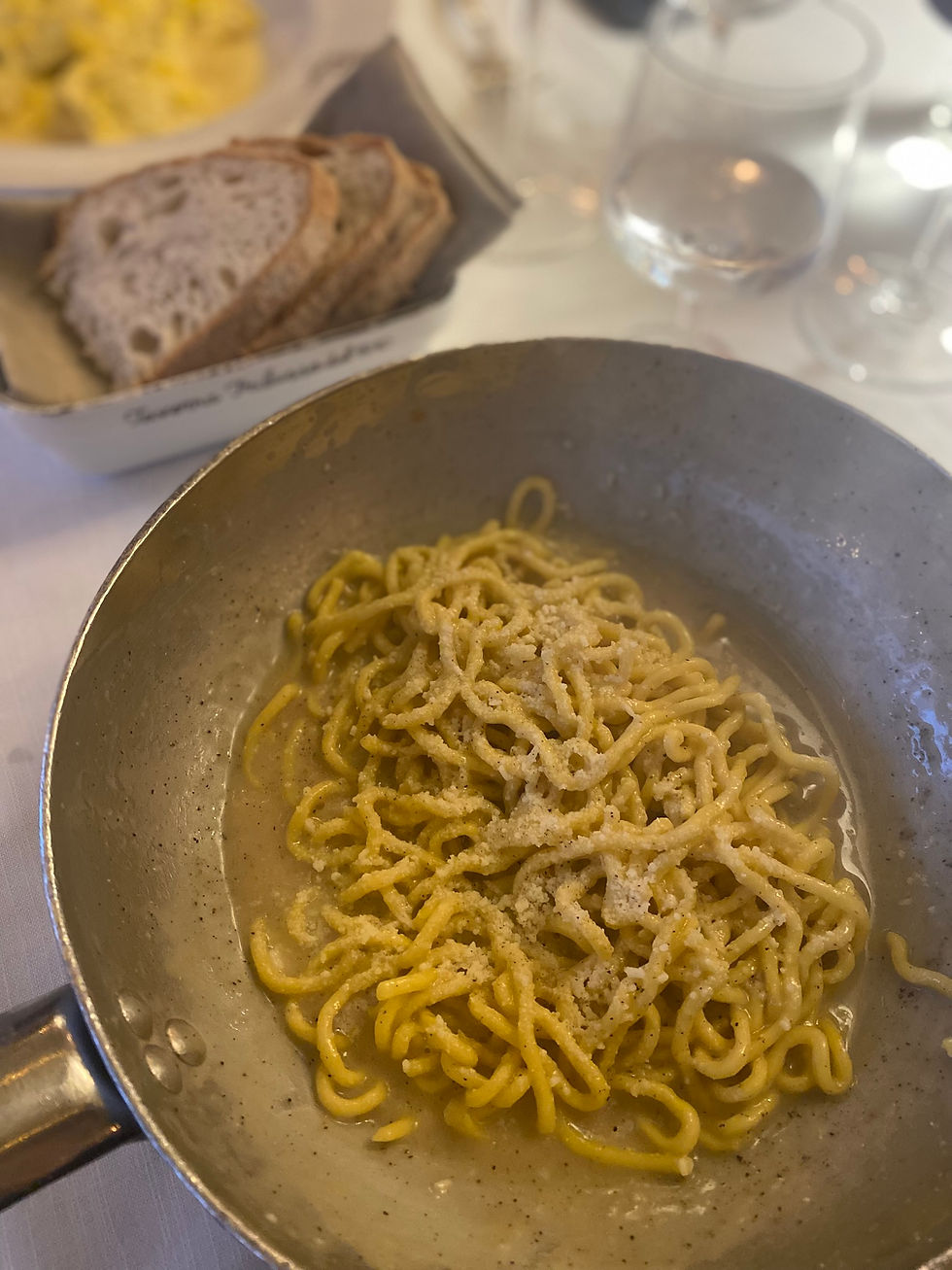
Para o jantar, eu reservaria uma mesa na Taverna Trilussa, um clássico de Trastevere, perfeito para experimentar pratos tradicionais romanos em um ambiente cheio de personalidade.
Depois do jantar, faça o ritual do aperitivo italiano. Beber um Aperol Spritz ou Negroni em algum bar da região é uma das experiências mais agradáveis da cidade.
Dia 3: Roma Antiga
Agora sim é hora de mergulhar na Roma monumental.

Comece pelo Coliseu, idealmente com ingresso reservado com antecedência. Apesar da fama, ele continua impressionante quando visto de perto.
Em seguida, explore o Fórum Romano, que para mim é o lugar onde Roma realmente ganha escala. Caminhar por suas antigas vias, entre templos, arcos e ruínas, ajuda a imaginar a cidade quando ela era o centro político, religioso e comercial do mundo conhecido.
Não deixe de passar pelo Arco de Constantino, localizado entre o Coliseu e o Fórum.
Para o almoço, eu escolheria um restaurante nas ruas paralelas ao Coliseu, longe das fachadas voltadas diretamente para os pontos turísticos. Em Roma, muitas vezes basta caminhar uma ou duas ruas para encontrar lugares mais autênticos, melhores e muito menos voltados ao turismo de passagem.
À tarde, siga caminhando até a Piazza Venezia e suba ao Vittoriano, o monumental edifício de mármore branco que domina completamente a paisagem e oferece uma das vistas mais bonitas da cidade.
No caminho de volta para o hotel, faça uma parada no Two Sizes para provar o tiramisù. Parece um detalhe, mas é exatamente esse tipo de descoberta que faz uma viagem ganhar personalidade.
Dia 4: Igrejas, praças e Via Condotti
Comece pela Basílica de San Giovanni in Laterano, a verdadeira catedral do Papa e uma das igrejas mais importantes do mundo católico.
Depois, siga para a Villa Borghese, um dos parques mais elegantes de Roma, e caminhe até a Piazza del Popolo.

A partir dali, percorra toda a Via del Corso, uma das ruas mais agradáveis para caminhar e observar o cotidiano romano. E o local perfeito para fazer compras: ao longo de toda a via, você encontrará as lojas das principais marcas da Europa.
Faça uma pausa na Fontana di Trevi, de preferência no início da manhã ou no fim da noite, quando o movimento é um pouco menor, e aproveite para tomar um café da manhã italiano na L’Antico Forno di Trevi, uma das minhas descobertas favoritas da região. Não deixe de provar os cornettos recheados de pistache ou creme. Similar ao croissant, é um tradicional doce italiano em formato de meia-lua, mas que utiliza uma massa mais macia, aerada e levemente adocicada. Perfeito para acompanhar um espresso.
Continue explorando o centro histórico e, quando chegar ao entorno do Panteão, reserve o almoço no Roscioli, uma das experiências gastronômicas mais completas de Roma. A combinação de massas impecáveis, embutidos, queijos e vinhos italianos faz dele um dos restaurantes que eu faria questão de repetir em qualquer viagem.

No fim da tarde, termine na Piazza di Spagna, suba lentamente a escadaria da Trinità dei Monti e caminhe pela Via Condotti, a rua mais elegante de Roma e que possui as principais lojas de luxo do mundo.
Para o jantar, minha escolha seria Al Moro, um clássico próximo à Fontana di Trevi, conhecido pela culinária romana tradicional e pelo ambiente que preserva o charme da cidade antiga. O prato mais famoso é da casa é o Spaghetti alla Carbonara, clássico romano e um dos melhores que já provei na Itália.
Dia 5: Um último dia sem pressa
Depois de quatro dias intensos, eu deixaria o quinto dia deliberadamente aberto.
Roma recompensa quem retorna aos lugares de que mais gostou.

Você pode revisitar Trastevere, explorar um museu que tenha ficado de fora, caminhar novamente pelo centro histórico ou simplesmente escolher um café histórico e observar a cidade acontecer.
Foi exatamente isso que fiz na minha segunda viagem: usei o último dia para voltar aos lugares que haviam me marcado, fazer compras com calma na Via del Corso e repetir algumas experiências gastronômicas sem a sensação de estar correndo contra o relógio.
Viajar também é permitir que o roteiro tenha espaço para o inesperado.
O que provar em Roma
Uma das maiores diferenças entre a minha primeira viagem, em 2012, e a segunda, em 2024, foi a forma como vivi a gastronomia da cidade. Na primeira, eu buscava provar todos os pratos típicos em restaurantes tradicionais. Na segunda, eu queria entender o que era realmente romano, fazendo um mix entre os locais tradicionais com algumas novidades fora da rota turística.
Descobri que Roma tem uma identidade gastronômica muito mais específica do que parece e que alguns pratos fazem parte da experiência tanto quanto visitar o Coliseu. Os romanos costumam brincar que existe uma espécie de “trindade santíssima” das massas da cidade baseadas no queijo pecorino romano, ou cacio, como se diz em italiano.
Carbonara: o mais famoso de todos, preparado apenas com guanciale, pecorino romano, gema de ovo e pimenta-do-reino. A diferença entre a versão brasileira deste prato é que na italiana eles não usam creme de leite, a cremosidade vem da emulsão das gemas com o queijo ralado bem fininho. Além disso, a receita italiana é feita com ganciale, bochecha de porco curada, ao invés do bacon que é a barriga do porco defumada.
Cacio e Pepe: aparentemente simples, mas uma das massas mais difíceis de executar perfeitamente. O molho é feito de agua do cozimento da massa, pecorino romano ralado bem fino e pimenta-do-reino moída na hora. Por isso o nome, cacio & pepe, somente queijo e pimenta.
Amatriciana: Se você já é fã do Carbonara, vai amar provar essa receita. É bem similar, com guanciale e pecorino romano, mas substitui o ovo por molho de tomate.
Se você fizer apenas uma missão gastronômica em Roma, faça esta: experimente as três ao longo da viagem.
Os drinks do aperitivo italiano

O aperitivo é um ritual romano. No fim da tarde, peça um drink e aproveite os petiscos que normalmente acompanham a bebida.
Os mais tradicionais são o Aperol Spritz, Negroni e Expresso Martini.
As sobremesas imperdíveis
Gelato alla romana, especialmente na Giolitti. Gelato é um ícone em toda Itália, mas os Romanos adaptaram a receita para deixá-la com menos ar, o que resultou em uma textura mais densa e um sabor mais acentuado. Imperdível.

Tiramisù, que eu provaria sem pensar duas vezes no Two Sizes. Originalmente criado em Veneto nos anos 60, os romanos a adotaram de tal forma que muitos visitantes presumem que seja uma criação local. A versão romana tende a ser menos doce, com o amargor do expresso mais acentuado em contraste com o creme de mascarpone.
Cornetto alla crema, do L’Antico Forno di Trevi. A versão italiana do croissant francês, mas que utiliza uma massa mais macia, aerada e levemente adocicada. Diferente dos itens acima, a maioria das sobremesas tradicionais de Roma aparece no café da manhã ou durante a pausa para o café no final da manhã, por volta das 11h. Ou então, é muito provável que você pegue um cornetto a caminho do trabalho na manhã seguinte.
O que eu faria diferente depois de duas viagens
A maior lição que Roma me deu foi simples: agrupe os dias por bairros e caminhe mais.
Na primeira viagem, eu atravessava a cidade várias vezes no mesmo dia utilizando o metro. Na segunda, organizei cada dia por região: Vaticano, Roma Antiga, Centro Histórico, Trastevere. A experiência ficou muito mais leve.
Também reservaria mais tempo para cafés, aperitivos e caminhadas sem destino específico. É uma cidade para ser vivida.
Outro ponto importante, reservei todos os restaurantes e comprei os ingressos das principais atrações antecipadamente. Pós pandemia, praticamente todos os pontos turísticos precisam de horário agendado e é uma missão quase impossível encontrar disponibilidade para o mesmo dia. Se programe e faça a compra pela internet, usando cartão de crédito ou com cartões de contas globais (Wise, Nomad, C6, etc).
Para visitar monumentos religiosos ou igrejas na Itália é necessário vestir roupas que obrigatoriamente cubram os ombros e os joelhos. Minha primeira viagem foi no inverno, então isso não foi um problema. Mas na segunda vez, enfrentamos dias muito quentes, e é importante lembrar de sempre ter uma jaqueta leve ou até mesmo um lenço para usar durante a visitação.
The Travel Notes
Viajar, para mim, sempre começa antes do embarque. Depois de duas viagens a Roma, percebi que o que mais permanece na memória não são apenas os monumentos, mas a forma como a cidade foi vivida. Este roteiro é o resultado dessa segunda maneira de olhar. Se eu voltasse amanhã, repetiria quase tudo, mas caminharia ainda mais devagar.



Comentários